
Homeopathy
Homeopathy for Animals
Homeopathy is a system of medicine that bases its therapeutics on the principle of ‘let like be cured by like’.
The medicines used may be derived from animal, vegetable or mineral sources and, in latter times, remedies have also been derived from man-made substances. The initial requirement for treatment is knowledge of what effect a particular remedy or substance will have on a healthy body (i.e. what signs and symptoms it can provoke in a healthy body).
The signs and symptoms presented by a sick animal or person are then compared to this ‘symptom picture’ of the various medicines, choosing that medicine which is the closest ‘match’.
There is no risk of:
- toxic side-effects,
- medicine residues in farm animal products,
- ‘doping’ or residues in sporting animals,
- stimulation of antibiotic resistance.
Furthermore, laboratory animal research is not required for its development.
The strategy of a homeopathic consultation is to find the homeopathic remedy which most closely matches the patient’s symptoms or to remove or minimise any factors and influences that could obstruct or impede that healing process. For this reason, attention to the patient’s diet is an essential part of the procedure, with a conscious attempt to feed each species as naturally and as healthily as possible, in line with its evolved needs.
The Homeopathic Consultation for all species with your chosen homeopath veterinary surgeon has several unique ingredients, that distinguish it from a typical veterinary consultation.
It is usually longer, since there is so much information to be gathered (read Nick Thompson’s 10 minute Consultation article).
It requires a referral from your local veterinary surgeon, unless the veterinary homeopath is your own veterinary surgeon.
It concentrates not only upon the obvious signs/symptoms of the presenting complaint but also upon any other sign or symptom, past or present, which the patient may show or may have exhibited at some time in the past, which may or may not seem directly relevant to the current complaint.
The homeopath vet will consider a much wider area of signs/symptoms, e.g. weather, time of day the patient is better or worse, temperature, feeding etc. These details are known as the ‘modalities’ of the symptoms, and help in matching the remedy more closely.
It requires a knowledge and understanding of the individual patient, in terms of character, demeanour, behaviour, fears, likes, dislikes and reaction to stimuli (e.g. weather, temperature, time of day etc). These elements also help to identify the patient’s individuality.
The consultation takes account of all external factors that may affect the patient, e.g. living quarters, feeding, chemical environment, previous or current drug treatments, vaccination, parasite control methods, saddling and shoeing (horses), grazing management (horses and farm animals). These factors must be optimised, to enable maximum healing capability.
A great many recoveries from troublesome (or even so-called ‘incurable) chronic disease have been reported, following diligently applied homeopathic diagnosis and treatment.
Holistic Health Modalities
Body Work Therapies
Body Work - General- for Animals
Bowen Technique/Therapy for Animals
Chiropractic - McTimony - for Animals
Craniosacral Therapy for Animals
Therapeutic Equipment
Read our CAM4animals blogs about Homeopathy
A sample of our blogs showing how homeopathy has been used for animals is displayed below
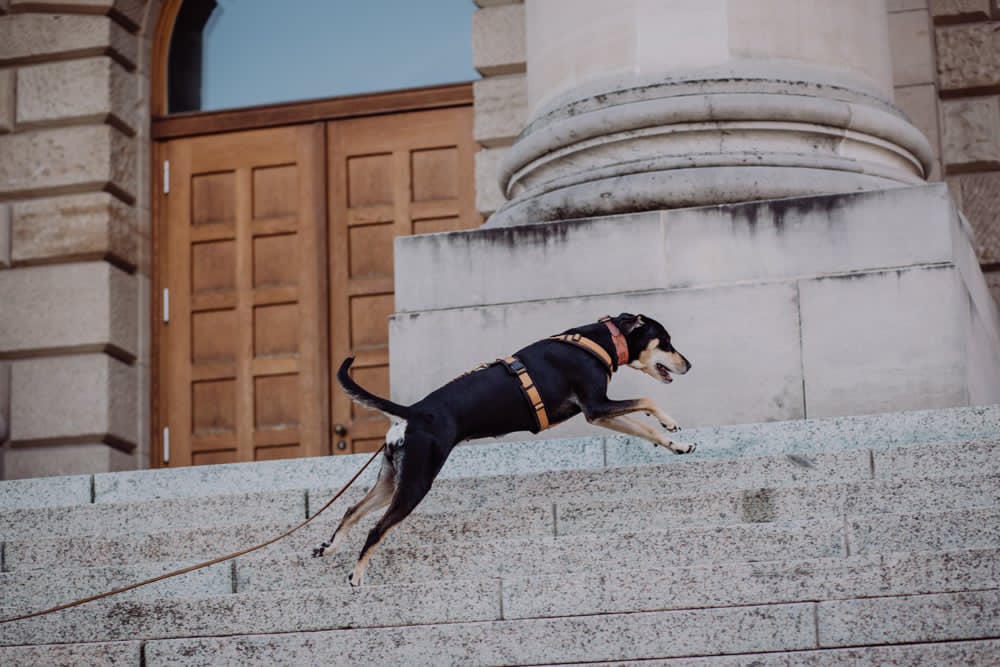
Pet-Trailing and its Role in Holistic Vet Care
We asked leading integrative vet Beatrice Milleder to tell us how Man-Trailing or Pet-Trailing plays a key role in the health and wellbeing of her trailing dogs and the overall role holistic treatment plays in keeping trailing dogs fit.
Living With Pet Bereavement
It's important to be able to look after our pets and ourselves during what can be a difficult and upsetting time. We asked pet bereavement counsellor and founder of Living With Pet Bereavement, Dawn Murray, to take us through what to expect in dealing with end of life care and suggest ways of coping with the surrounding grief.
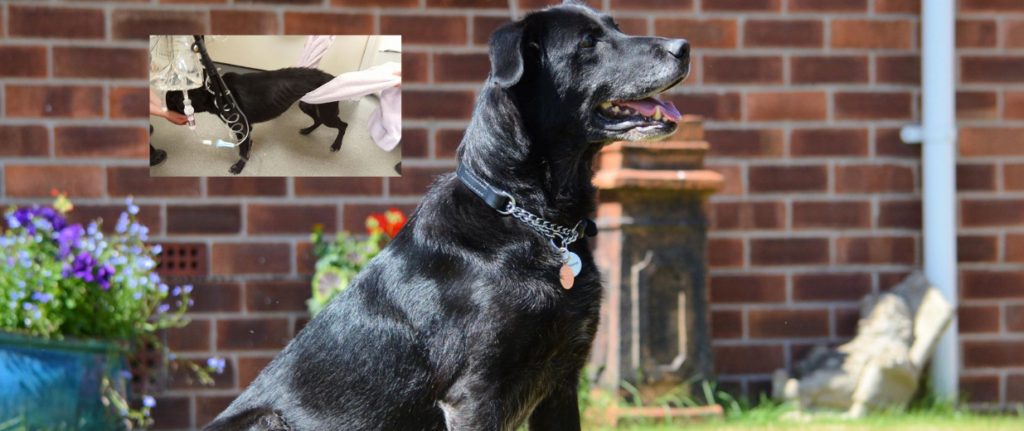
Annie’s Story
One of our long-time supporters Val Brown writes about the joys of having a rescue dog and making up for the years of abuse she had suffered as well as learning first hand about the benefits of holistic veterinary care alongside her inspirational dog Annie.