Blog

Search Results

CAM in action
Two years on – the growth of CAM

Two years on – the growth of CAM

November 2019 – CAM4animals formed out of a need to safeguard and support the use of CAM within veterinary medicine and it too has grown in strength over the last two years. We have helped ignite an interest in what CAM has to offer not only to people whose animals may not do well under conventional treatment, but also to those looking for a wider range of options in addition to drugs or surgery. In effect, CAM is beginning to be seen as a normal and valuable part of integrated veterinary care.

read more
Lizzie’s Story

Lizzie’s Story

Lizzie was found in an overcrowded pound in Cyprus. She was very thin weighing just 8.5kg, half her current body weight, and was dirty and terrified. She had a horrific infected leg injury – probably caused by being tied up too tightly by a rope. She was on strong...

read more
Peeta

Peeta

We brought Peeta, our Springer/Labrador cross, to see Birgit after five months of traditional treatment and major surgery that started in September 2017 to deal with a serious abscess. .. After three weeks the progress was remarkable…

read more
Kenzie

Kenzie

In March 2015, my 9-year-old Fox Red Labrador, Kenzie was diagnosed with a horrible kidney condition called Protein Losing Nephropathy (PLN). I had taken him to the vets initially because I noticed him leaking urine but on being diagnosed, the vet’s words to me were...

read more
Obsalim

Obsalim

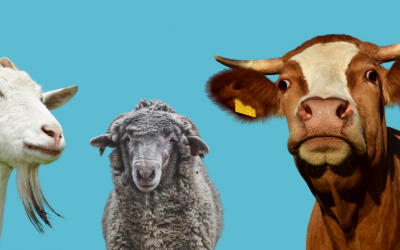
Obsalim is a French diagnostic tool to help manage herd feed and monitor health. This unique method of assessment and ration adjustment is based on observing your cows, goats and/or sheep. It helps you better read your animals, to understand how they are digesting the ration in real-time. It uncovers the subtle issues that are generating problems and reveals opportunities to reduce input costs and turn losses into profits.

read more
Lydia

Lydia

Lydia was due to deliver her calf in January but a chronic case of mastitis was proving incurable with antibiotics.  Her conventional vet had treated her quickly and the organic farm followed their usual strict protocols in order to get the swiftest response from...

read more
Don’t tell anyone but my dog has Scabies

Don’t tell anyone but my dog has Scabies

The shoulder dips, the legs go in the air, the body twists in delight, and before you have time to shout “STOP!!!!”, your dog is covered in fox poo and stinking. Usually, there are no consequences other than a ripe smell in the car on the way home and a cold (or warm...

read more
Veterinary homeopathic research

Veterinary homeopathic research

A 4-year-old trotter gelding was treated homeopathically for delayed wound healing associated with antimicrobial-resistant bacteria. The horse failed to respond to antibiotic treatment with intravenous gentamicin and penicillin followed by oral sulfadiazin natrium and trimethoprim. Wound swab, bacterial examination, and microbial sensitivity test diagnosed ORS – Oxacillin Resistant Staphylococcus haemolyticus and Actinobacillus equuli. At presentation for homeopathic treatment, the horse showed putrid inflammation, edema and seroma. Following treatment with a single dose of homeopathic silicea terra, resolution of clinical signs occurred.

read more