
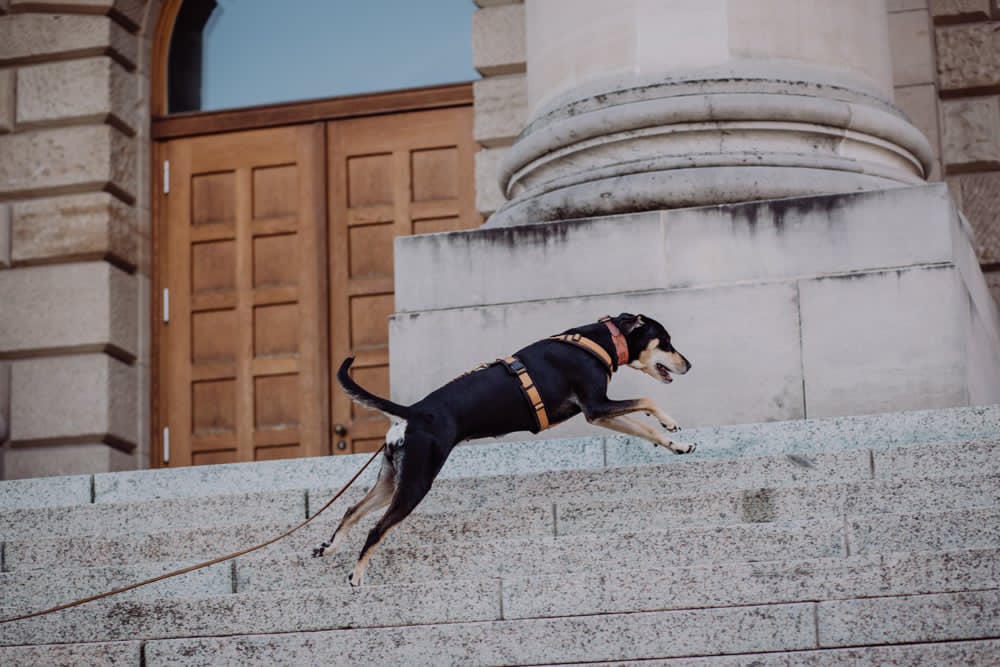
We asked leading integrative vet Beatrice Milleder to tell us how Man-Trailing or Pet-Trailing plays a key role in the health and wellbeing of her dogs and the overall role holistic treatment plays in keeping trailing dogs fit
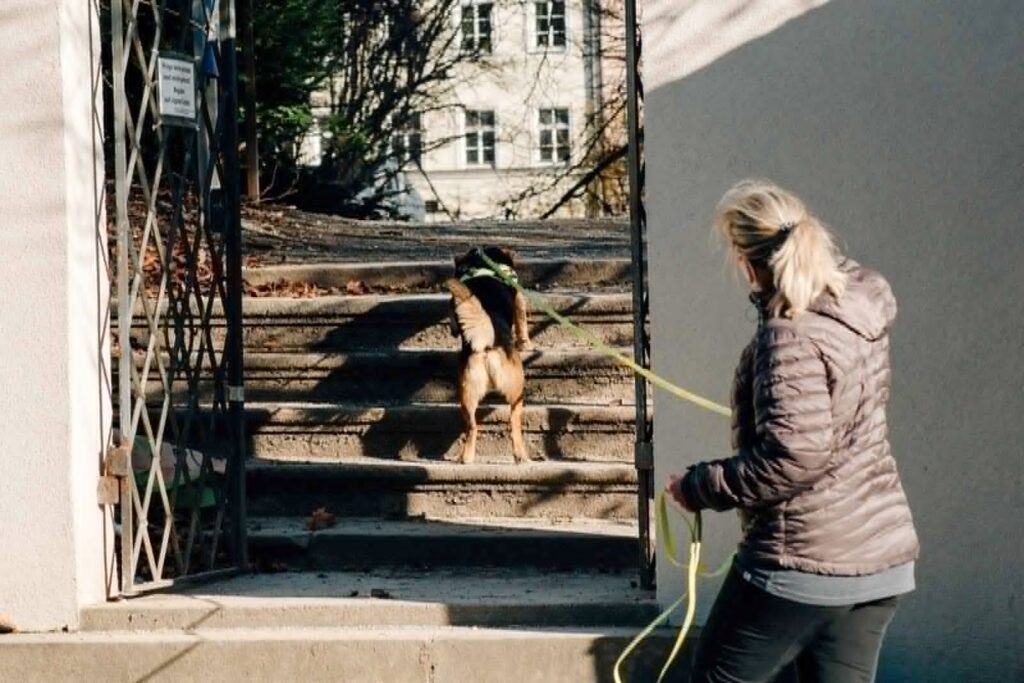
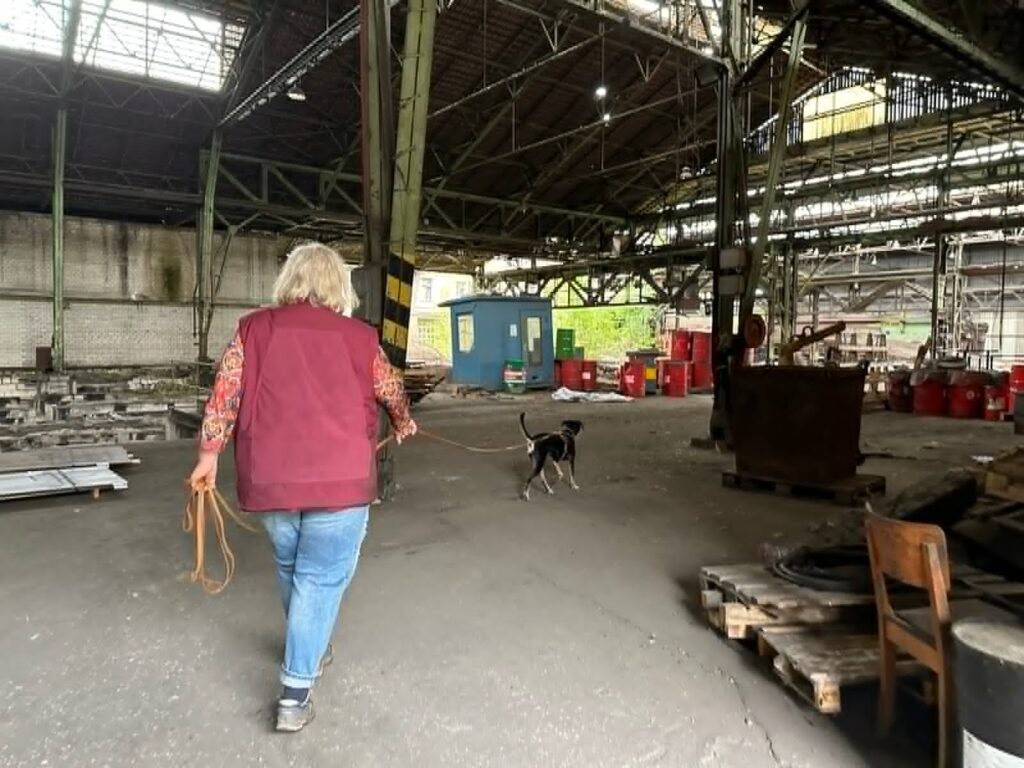
Beatrice’s rescue dog, Rhoda, can be seen demonstrating her expert trailing skills above
Luna – the dog who started it all off
It was because of my former dog, Luna, that I got personally interested in man-trailing to engage all her senses and prevent her from getting slow and old too quickly. She had to have an ovahysterectomy at the age of 11 when she developed an inflammation of her uterus.
What is man-trailing or pet-trailing?
Man trailing (and pet trailing as well) is – generally speaking – nose work for dogs. It is made up from the two words “man” and “trail” and describes trained dogs that can search for missing people. Pet trailers are trained to search for missing animals. Another common term is “search-dog”.
The rising number of dogs with hyperactivity problems
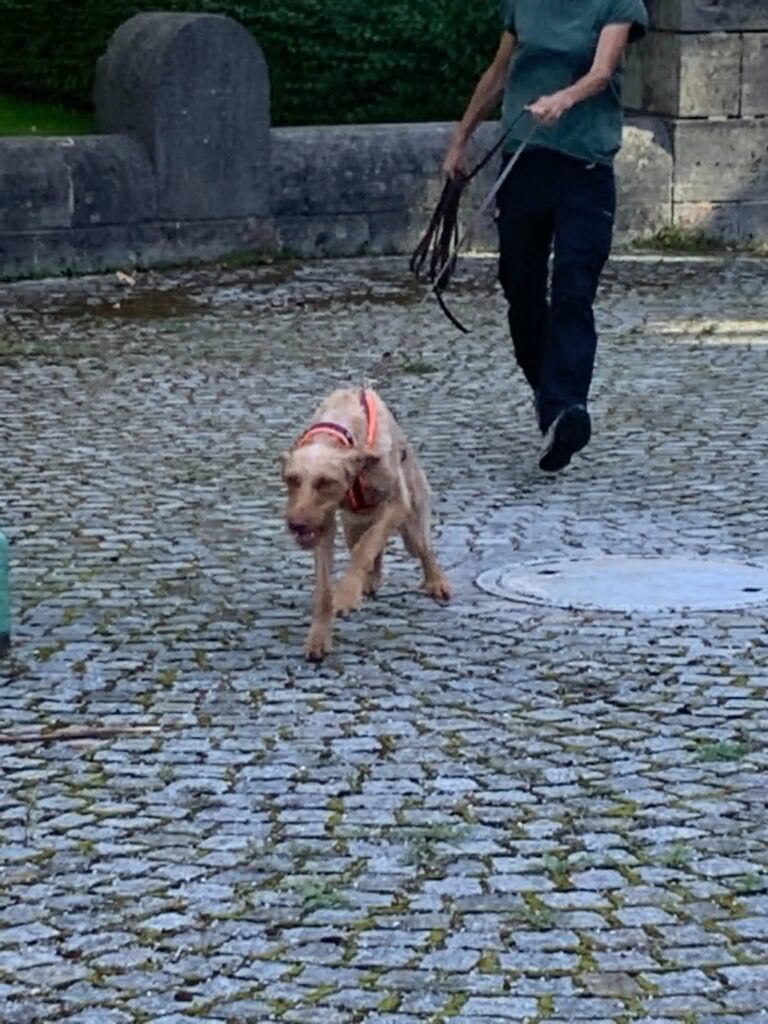
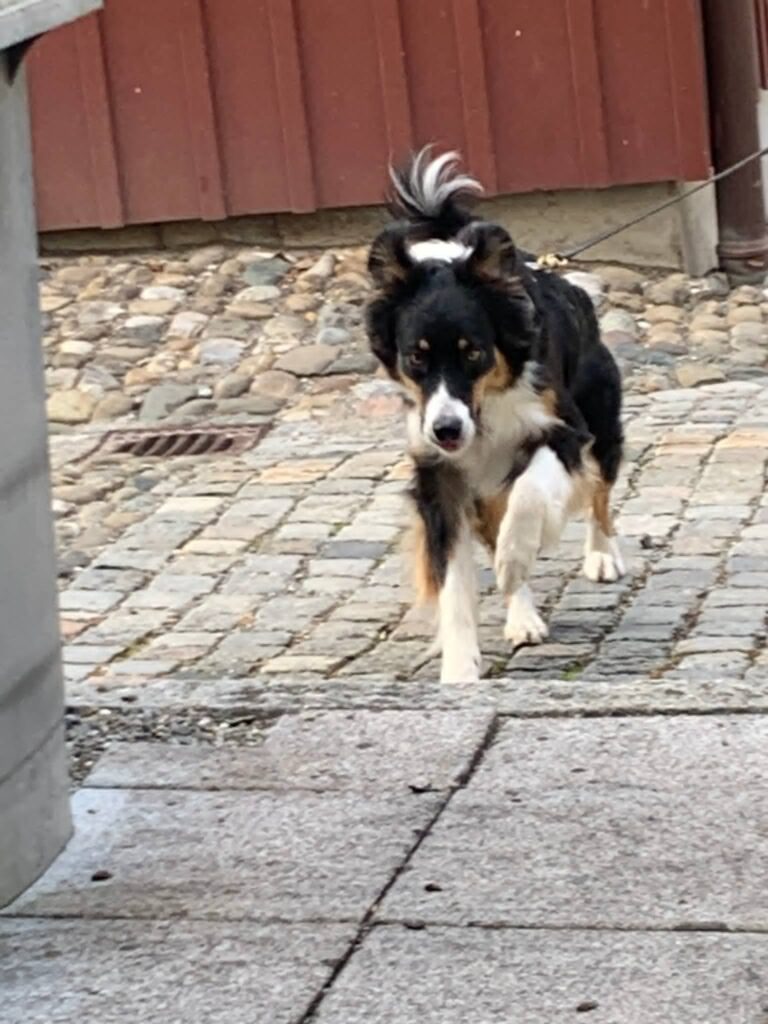
In a world where many dogs develop health problems because they are not allowed to do what they are supposed to do (track, hunt, work) or are “over-worked” and don’t have enough time to calm down their senses, we are confronted with a rising number of dogs that suffer from hyperactivity. This is a challenge for vets, trainers and guardians – and most of all – the dogs. More than a few end up in shelters because living with a hyperactive companion is too much to bear. Integrative therapies can be a great help in these cases – allowing the dogs to use and engage their senses is the best support you can give them.
Real life searches or just for fun
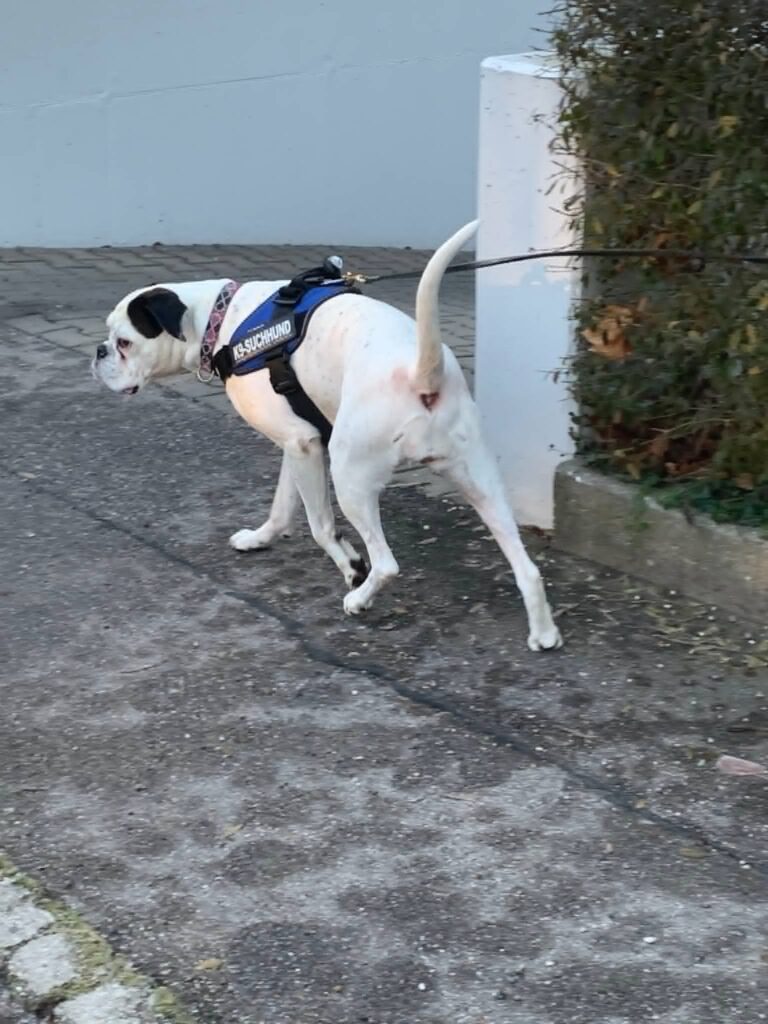
Generally, you differentiate between actual working dogs/hounds that are trained so that they can search for humans and pets in real life situations, and those trained for leisure and to satisfy their inherited traits without over-stressing them. All breeds of dogs can do man-trailing, even French bulldogs enjoy a good leisure trail now and then.
The canine nose – a dog’s superpower
Dogs have extremely well-developed olfactory cells. They can distinguish older from newer traces and smell spatially, which gives them an important role in any search and rescue mission. While humans have about 25 million of those cells, dogs have up to 250 million.
What makes a scent?
The scent of someone – be it human or animal – is composed of fallen hairs, body odour, skin scales and more. For dogs this makes for an individual marking – almost like a fingerprint – they will follow if they have learned how to.
Pet trailers additionally also learn to circumscribe trace as they learn that they can’t always follow their target. Cats for example can jump fences where dogs can’t follow, so they will show you a relevant area where a finer search is left to humans.
Apart from satisfying their innate abilities, man(pet)trailing can help shy and insecure dogs to gain more self-confidence because they experience success which they achieve on their own.
Keeping the trailing dog fit and healthy
Of course, working dogs need good care. They often strain their bodies (while having fun at the same time) and sometimes injure themselves, just like human athletes would. Here integrative or holistic veterinary care is a great tool to keep them in shape and healthy.
Useful veterinary CAM modalities
So what are the most useful complementary and alternative (CAM) treatments?
Manual therapy is the first choice, be it osteopathy, chiropractic, or any other physical support you can give. Being a vet who is also trained in osteopathy I can see the benefit all the time. We can find and treat small (and not so small) discomfort and/or injuries and prevent them from becoming real problems.
Homeopathy, acupuncture and all the other integrative methods are just as important and helpful. Just think of the benefit of Arnica montana as an acute remedy in any kind of blunt trauma on the soft tissue. Then there is Symphytum, Bryonia alba or Ruta graveolensis when it comes to bones and joints.
A lot of professional pet-trailers have a physical therapist they see in regular intervals – as they should. That doesn’t mean that they don’t need a regular vet as well, but integrative methods should be a vital part of their healthy routine.
Case study: Lauser
Beagle mix Lauser was kind of a second-hand puppy that came to his forever home at the age of four months. I met him and his owner Birgit for the first time in 2014 when I started man-trailing with my own dog, Luna. Lauser (roughly translated as Rascal) was already a tried and tested dog that went on actual lost pet search missions.
At one point he developed a bump under his tail and my conventional colleague (we were two vets in the “squad”) suggested surgery. Touching the bump made it clear that it wasn’t solid but filled with fluid, so I suggested a well-known homeopathic remedy. Birgit was willing to try it. After a few days this resulted in the bump opening, completely emptying, and eventually healing avoiding the need for surgery.
Digestive problems
So that was Birgit’s first very satisfying brush with homeopathy. When Lauser later started to have digestive problems she came back to me, and we started to investigate. Kinetic testing showed a variety of food intolerances that had not been there before. He had been fed raw since he was a puppy and there had never been any kind of problem.
All of a sudden, he was smacking his lips at night, having loud bowel movements, diarrhea and episodes of pain. We did extensive blood work and found a very severe Hypothyroidism – so bad, the lab urged me to give thyroid medication right away. This we did, even though apart from his digestive problems he did not show ANY typical symptoms.
Integrative vet care
Once he was on the right medication dosage he did not get better right away. Only a combination of his meds plus his constitutional homeopathic remedy, some individualised herbs and medicinal mushrooms did his treatment do the trick – in a truly integrative, individual way.
Interestingly, during his homeopathic anamnesis (comprehensive case history) we discovered that he had suffered from severe demodicosis when he was still a puppy, losing almost all his facial hair. So it’s possible that he might even have been born with his thyroid condition.
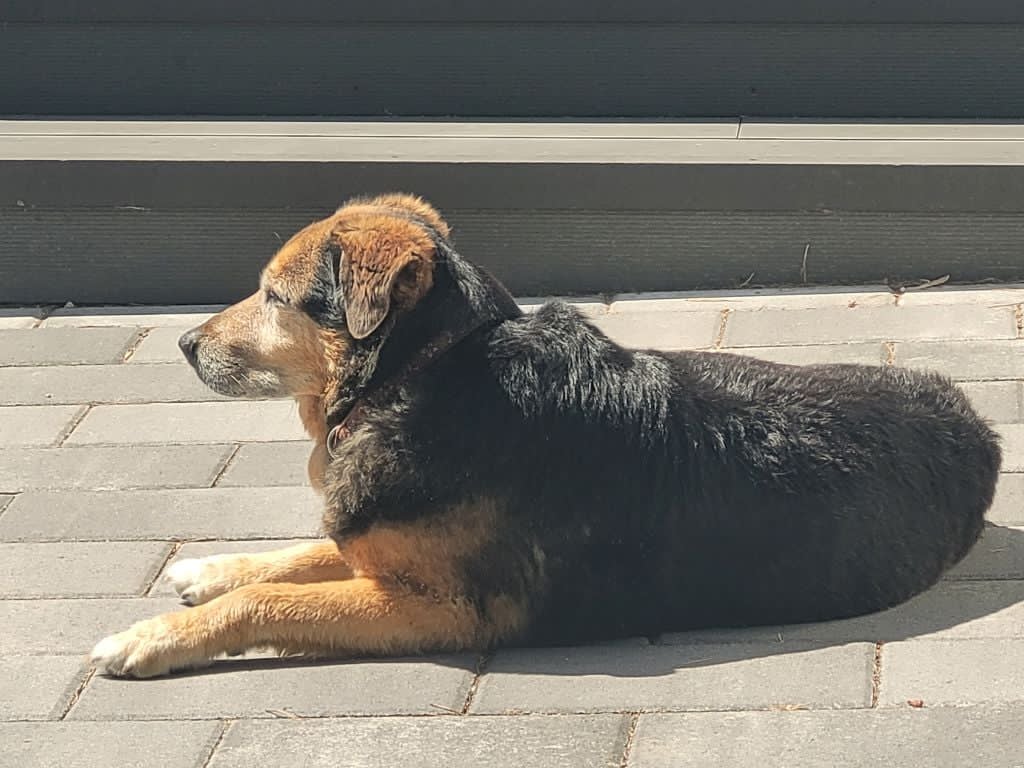
Today he is over 14 years old and happy. He even survived the bite of Europe’s most poisonous snake two years ago – thanks to homeopathy. He is still going strong and still searching for lost pets. He’s a regular osteopathy patient to keep his body in shape.
Trailing gently into old age
The good thing about man-trailing is the fact that it can be done in a leisurely way until a very old age (dog and human!) or even when pets are disabled. One of the best search dogs I have ever seen work was a blind brown Labrador. There’s the added bonus of seeing your dog achieve such goals. This gives a sense of pride to every guardian and strengthens the bond they have with their dog.
Tortoises and more!
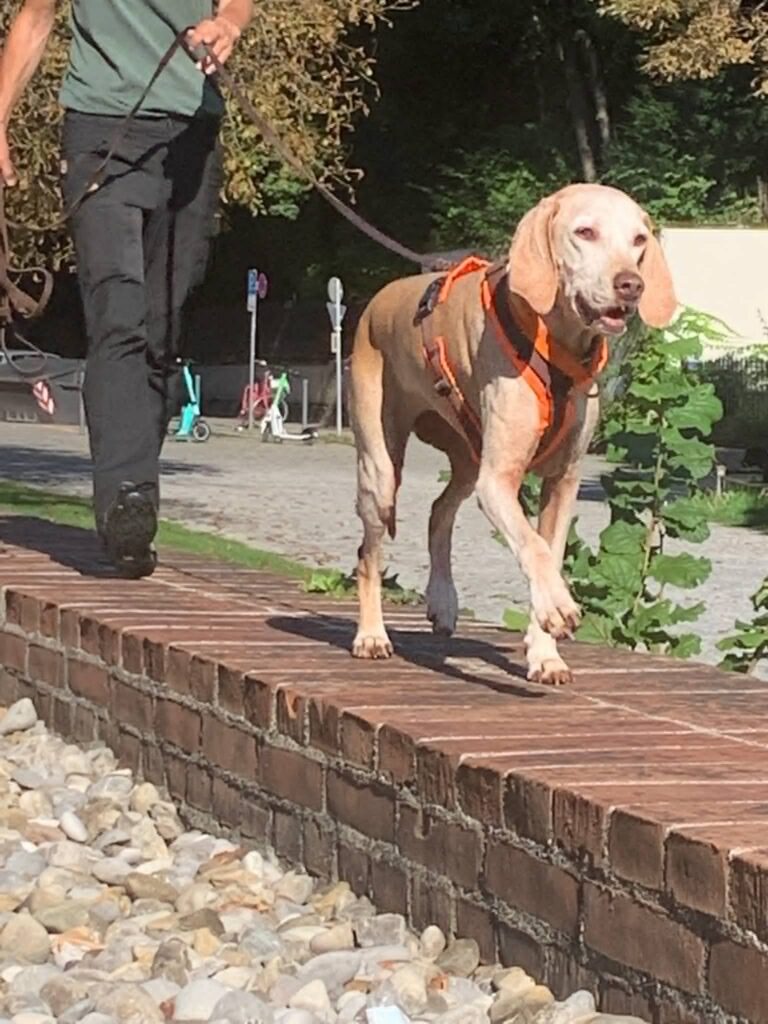
While man-trailers – as I mentioned – are trained to find humans, pet-trailers can find any kind of animal. It’s not just dogs and cats though! The pet search squadron I am part of has searched for horses, goats, rabbits, and tortoises amongst others.
Give it a go!
What I am trying to say in this short article is – if you have a dog – give it a try! Find a good man-trailing group and give your companion the opportunity to enjoy what dogs are meant to do!
If you should have more questions, you are welcome to send them to me at bmilleder@web.de
Useful links
Modalities
To find out more about the various modalities highlighted in the blog, take a look at our Modalities section. You will also find any related organisations who register practitioners, and links to any blogs we have about each modality.
Trailing in the UK
For more information try
The UK Tracking Dog Association
The nose work section of Working Trials Information
Beatrice Milleder, DVM
Beatrice studied veterinary medicine at the Vet School of the Ludwig Maximilian University in Munich graduating in 1996.
After four years assistance at the University clinic for small animals (internal medicine), she set up her own practice in 2004. Since 2014 she has been based in Haar near Munich.
Beatrice has additional training in Classical homeopathy (since 1999), behavioural therapy (since 1999) and osteopathy (since 2011). She also does some energetic and phyto work. Beatrice holds the Diploma for Classical homeopathy from the European Academy for Classical Homeopathy (George Vithoulkas). She has also studied with Paul Herscu ND since 2006.
Beatrice is currently General Secretary of the IAVH (International Association for Veterinary Homeopathy). She is also a regular speaker at national and international homeopathy congresses and the author of many articles regarding veterinary homeopathy. She is a regular guest of the Holistic Vet Sisters on FaceBook.
Beatrice started scent work – pet trailing in particular – with Luna in 2014. This was after she had to be spayed at the age of 11 years. Her current dog, Rhoda (a rescue from Rhodos, Greece) was trained from the age of 8 months. Rhoda achieved her pet-trailing degree from K9 when she was four years old.
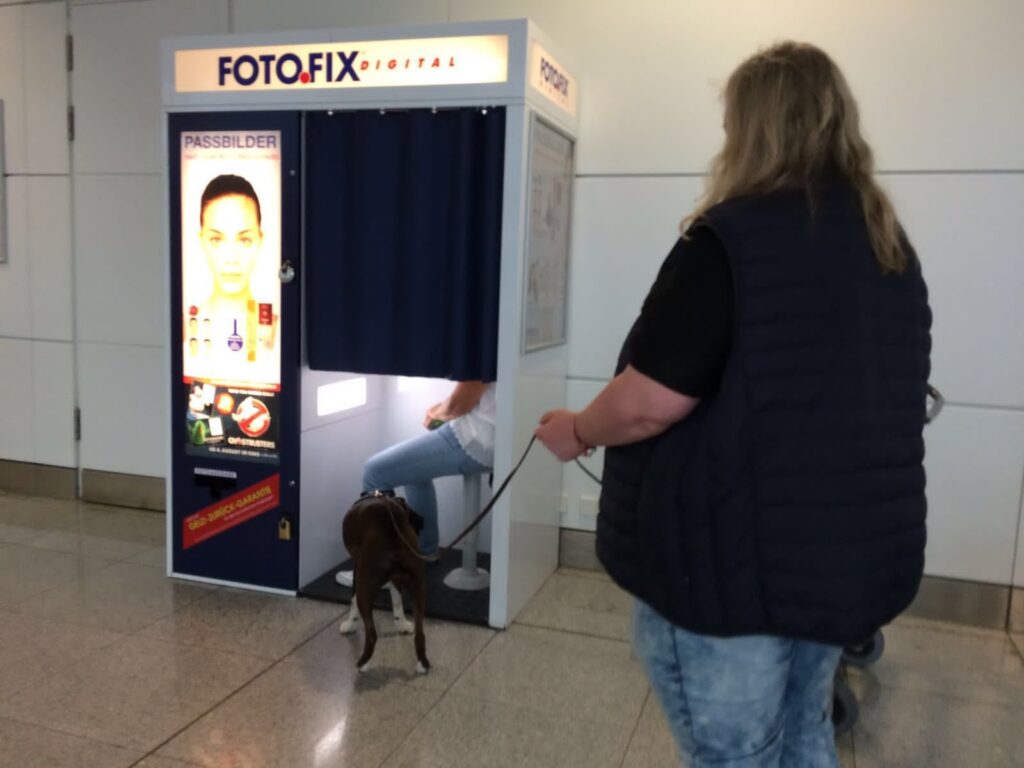
All photos are by and with the permission of Marion Eckel who trails with her 12 year old French Bulldog.
Disclaimer – Where blogs have been created by a guest author, CAM4Animals has reproduced this in good faith but cannot be held responsible for any inaccuracies of information in it or any use you make of this information.
The veterinary Surgeon’s Act 1966 restricts the treatment of animals (usually other than your own*) by anyone other than a qualified vet. Always consult a veterinary surgeon if you are concerned about your animal’s health. *For full details visit the RCVS website